
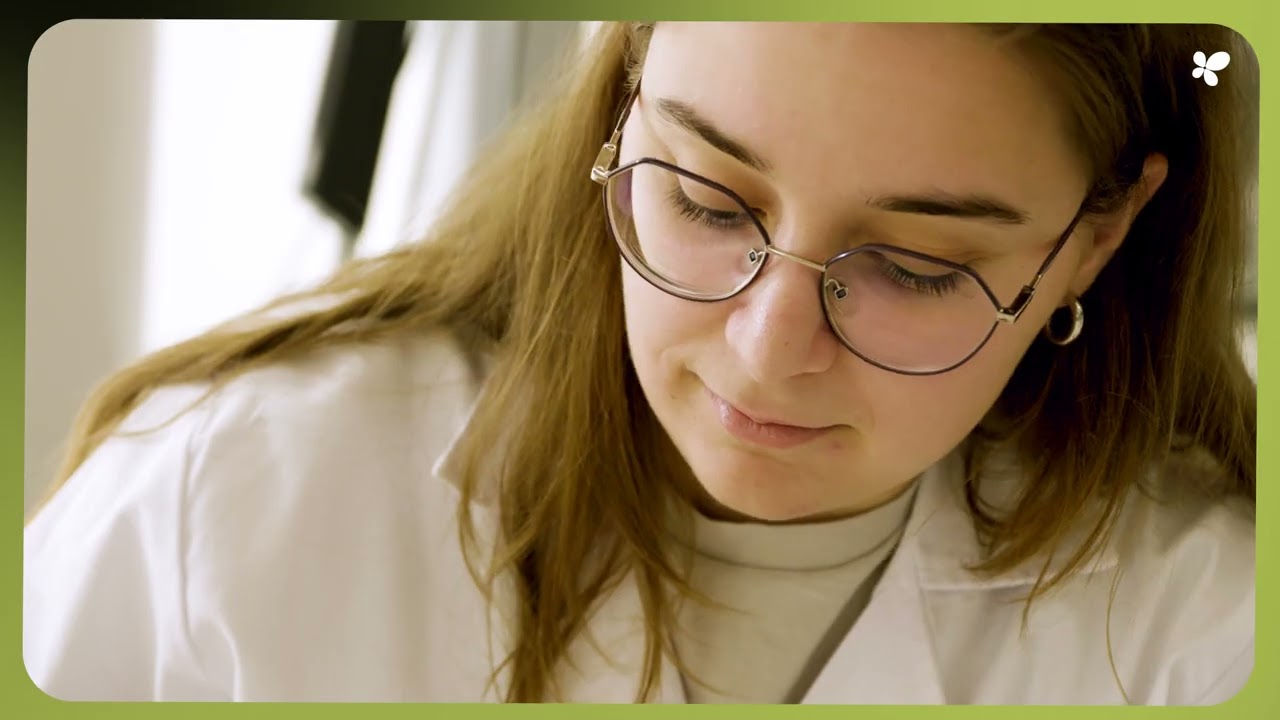

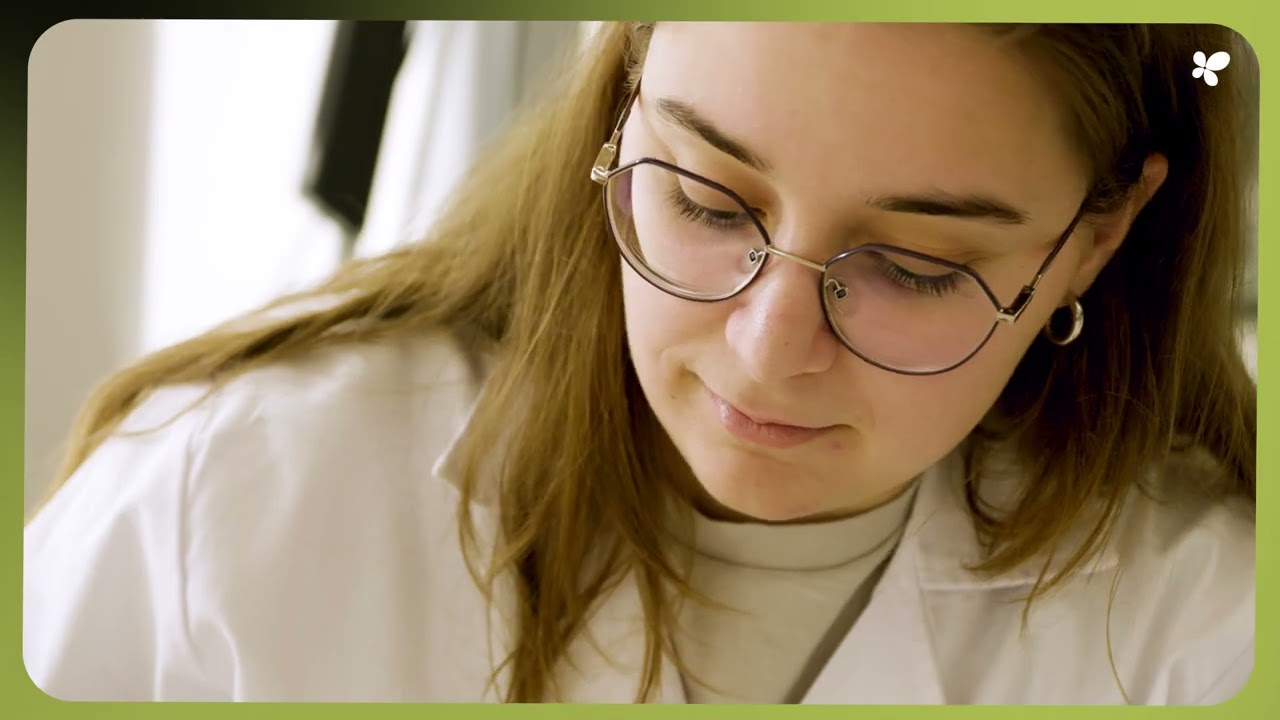
With a degree in History from the University of Barcelona and specialising in Archaeology and Prehistory, David Javaloyas has been working on heritage research, management and outreach for two decades. From Puig de sa Morisca Archaeological Site, he backs a model that unites science, experience and the land: workshops, reconstructions and a future museum created with funding from sustainable tourism tax to safeguard and share long-stored collections.


How did you come to focus on archaeological heritage?
I began studying history with a range of interests, but the turning point came when I did an internship in Archaeology and Prehistory: that’s when I discovered that archaeology really ‘hooked’ me. Since then, after around 20 years, I’ve worked in three fundamental areas that I believe are essential: research, management (protection and development of sites) and outreach, i.e. how we transform academic knowledge into meaningful experiences for people. The key is not just to communicate unfiltered ‘scientific results’, but to turn them into proposals that interest and engage the public.
What particularly attracts you to archaeological heritage?
Archaeology gives us temporal depth. We live in a fast-paced, often self-absorbed present, and looking back helps us to understand who we are today. Our way of seeing the world has not always been the same or unique: it changes over time depending on our society. In a multicultural context such as the current one in the Balearic Islands, this learning is valuable because it shows that there are many valid ways of living in and thinking about the region. For me, it’s a positive way of reading diversity: to understand that ‘different’ is not better or worse; it is simply different, and this contrast is enriching.
What is the historical and cultural value of archaeology in the Balearic Islands?
The figures speak for themselves: in Mallorca—an island of around 3,000 km²—we have around 3,500 archaeological sites; in other words, practically one per square kilometre. On top of this huge scale is the singularity: cultures such as the Talayotic and Pre-Talayotic are typical of the islands, with cyclopean architecture that makes them monumental and unique in the world. However, the local population and tourists aren’t fully aware of this potential: sun and sand are attractive, but we’ve barely scratched the surface of the value provided by these cultural landscapes. They’re also ideal for tourism in the low season, and for offering environmentally friendly experiences.
How can we protect archaeological sites while also making them enjoyable?
They’re fragile assets. Their management must focus on the impact of visits and the type of experience we offer. We must overcome the ‘ruins paradigm’ (leave it as it is and little more) and attend to basic needs—shade, vegetation, clear paths—that allow the site to remain intact without damaging it. And, above all, we must switch from passive explanation to more engaging methods: reconstructions, experimental activities and immersive narratives that help you to imagine how people lived. In our case, we talk about a ‘time machine’: we set up educational structures and propose workshops (for example, making a bronze axe as it was 3,000 years ago) for the public to touch, handle and learn in an experiential, emotional and fun way.
What is this archaeological site and what does it tell us?
Puig de Sa Morisca Archaeological Site was set up at the end of the 1990s with the aim of researching a large protohistoric settlement (approx. 1,000-300 BC) and explaining its relationship with the Punic world through a natural port at Santa Ponça cove, a gateway for ideas and goods—including wine—into Mallorca. The park has many historical layers: medieval traces linked to the landing of Jaume I and, in modern times, accounts of traditional rural life. All of this is set in 45 hectares of Mediterranean forest, with viewpoints that offer a glimpse of how the island’s landscapes have evolved: estates, tourist spots and farmlands exist alongside each other in plain sight, making the place an open classroom of history and land.
How has sustainable tourism tax (ITS) helped to make the leap?
It has been crucial to ‘moving up a league’. Thanks to ITS, we now have a new building that will house the park’s future museum. This facility is designed to protect, study and professionally exhibit a large amount of archaeological materials—many of which have been stored for decades without being exhibited—and to serve a variety of audiences with a regular programme. This investment (to the tune of €1.7 million) will allow us to create an institution with the proper capacity for custody and sharing knowledge, and to develop networks with other centres in the region.
What stage is the museum at and how is the team structured?
The building is finished, and now we’re working to comply with regulations and open as a museum. We have a management department and three technical departments: archaeology (research and preventive management), restoration of materials—where pieces are prepared and reconstructed for the future permanent exhibition—and documentation/master plan that sets out how everything will work. The fourth area is the one I lead: outreach and audience. Last year around 4,000 schoolchildren from all over Mallorca came here, taking part in educational activities designed to make learning fun. Also, programmes for families and the general public will be added; the tourism product will come when the permanent exhibition is more refined, because the market demands finished proposals. Today, the core group is made up of four people and a group of young trainees through projects with the city council.
Education: why is it so strategic for conservation?
Because nobody protects what they don’t know. Our aim is to create a culture of respect, to explain why heritage belongs to everyone and why caring for it matters. We’re seeing progress, with greater awareness and more people asking questions or getting involved, but we still aren’t doing the right things. The line of action is clear: knowledge first, respect second; it works for archaeological heritage, but also for natural and landscape heritage.
What does archaeology teach us about sustainability?
That living in harmony with the environment is a two-way relationship. In prehistoric times, the landscape was transformed through deforestation for pastures and crops, but people were aware of the environment: they looked after it because subsistence depended on it. That wisdom holds true today: traditional practices such as charcoal-making, herding and domestic use of firewood kept the forest clean; their decline partly explains the build-up of fuel and the risk of fires. It’s not a question of idealising the past, but of reinstating forms of management that proved to be sustainable and adapting them to the present.
After twenty years, what keeps you going?
When you see a child or a whole family have a lightbulb moment. When they understand that those who lived here millennia ago were not ‘less’ than us, but simply different and tremendously competent. Lighting a fire using traditional techniques requires knowledge of wood, fungi, tinder and the rhythm of the forest; making a bronze axe involves trade networks connecting Mallorca with the Mediterranean and the Atlantic. Seeing such technical and social intelligence breaks down prejudices. Beyond that, it teaches us something for today: to value others in their complexity, be it a tourist who comes to visit or a neighbour who migrates for work. If I can get someone to come out with a wider perspective, my work is done.
News and Articles on Sustainable Tourism


