
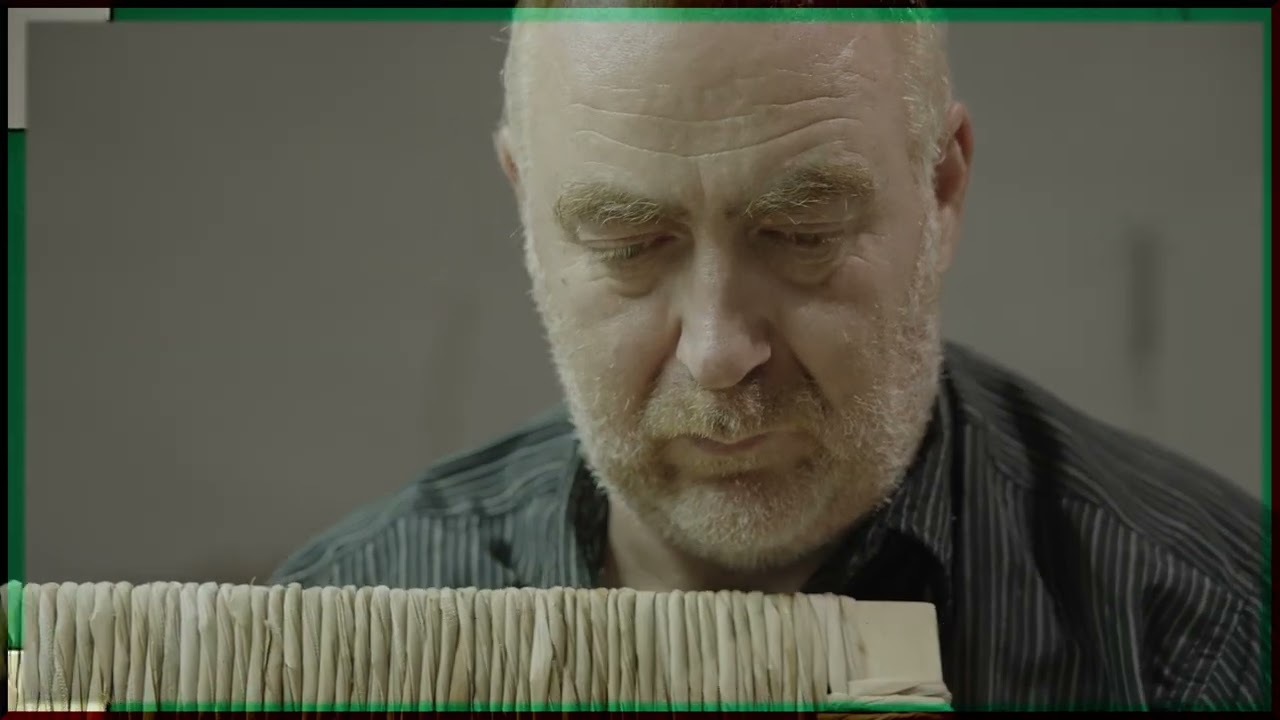
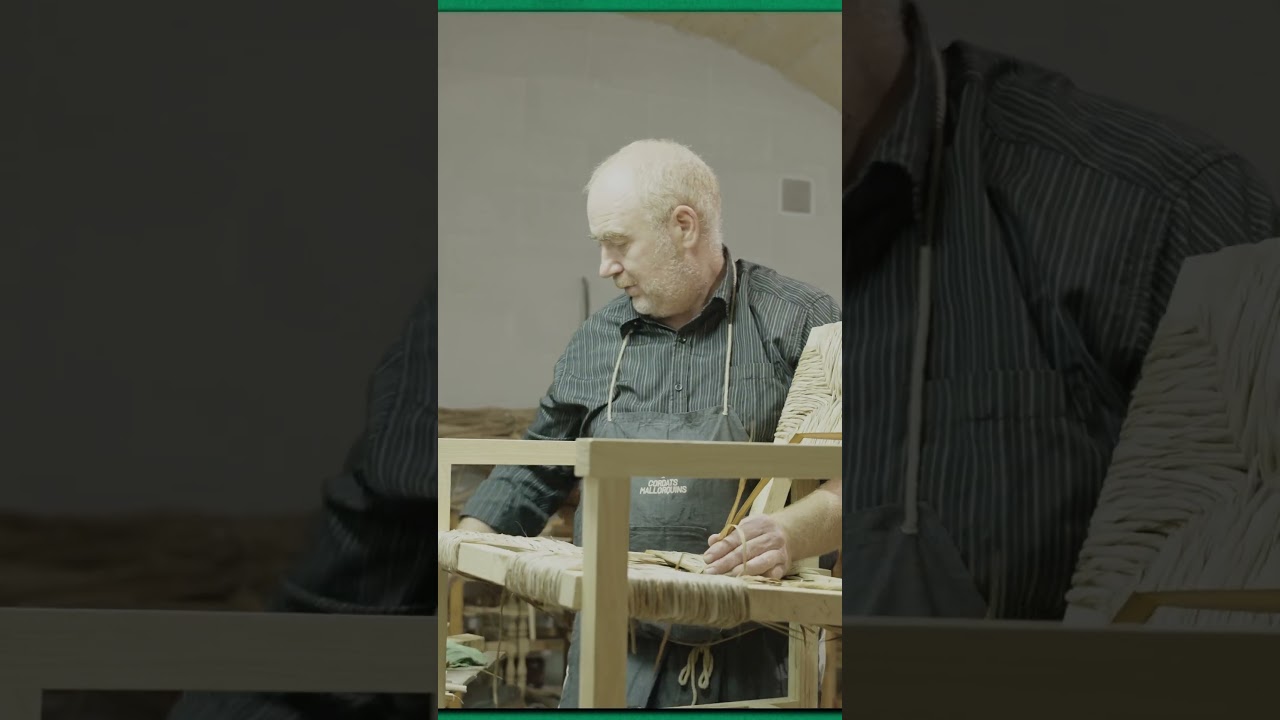
Chair stringing is one of the oldest crafts in the Mediterranean, inherited from techniques once practised by the Egyptians, Greeks and Romans. Woven from rope, esparto or typha, these seats were handmade to achieve strength, comfort and a look of their own. Today, this tradition is upheld by craftsmen who continue to work as generations before them did.
The art of chair stringing is part of a long history dating back to antiquity. In Egypt and Greece, woven ropes were used to create strong, functional and decorative surfaces, and over time this technique evolved and became characteristic of European furniture. For centuries, stringing played an essential role in humble homes and artisanal workshops, where each chair was a unique piece created from the manual interweaving of natural fibres. The advent of industrial production and cheaper materials has made this craft almost residual today, but its cultural and aesthetic value remains intact: a hand-strung seat can last for decades, holds organic beauty that is difficult to imitate, and connects directly to the know-how of generations. To uphold this tradition is, in a way, to preserve a fundamental part of material Mediterranean heritage.
In this video, we meet Miquel Llull, a chair-stringer who’s responsible for preserving a technique he learned from his grandmother and other craftspeople. Having spent almost twenty years dedicated to stringing, he works with materials such as esparto, hemp, cotton rope or typha—a more laborious technique that creates the rope to measure while working—and tailors each peace to the customer’s taste with precision and creativity. Llull combines restoration, newly crafted pieces and custom patterns, imitating ancient techniques and designing his own models. He also shares his craft through courses, fairs and demonstrations, aware that there are increasingly fewer craftspeople left who know how to make a chair in the traditional way. His work reveals the importance of valuing craftsmanship, the time invested and the history that each piece holds, upholding a craft that, if not cared for, is in real danger of disappearing.
News and Articles on Sustainable Tourism


